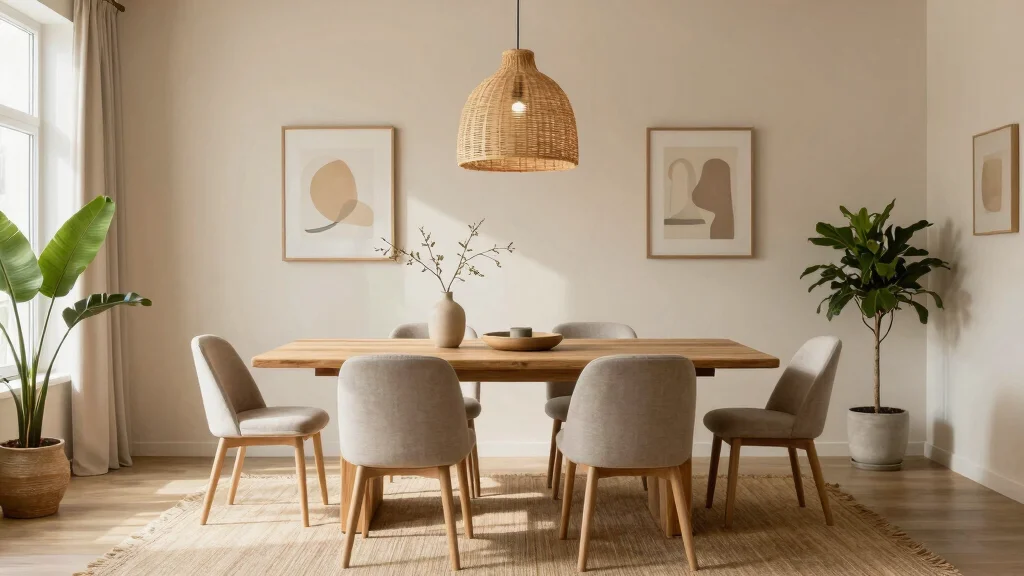
Creating a dining room that feels calm and inviting is something many of us crave. The beauty of minimalism combined with the warmth of natural materials has me absolutely obsessed with Japandi style. If you’re someone who values simplicity and seeks a tranquil dining atmosphere, this post is just for you. I’ll share 11 Japandi dining room concepts that beautifully blend Scandinavian and Japanese elements, promising to transform your everyday dining experience into something special.
In this guide, you’ll discover practical ideas that are not only stylish but also sustainable. Each concept focuses on creating a serene environment that encourages mindful dining. Whether you’re hosting a dinner party or enjoying a quiet meal with family, these designs will help you cultivate a space that feels both modern and cozy. Get ready for tips on earthy tones, minimalistic furniture, and thoughtful decor that will resonate with anyone who loves a calm home.
Let’s dive into the world of Japandi dining decor, where every detail contributes to a peaceful atmosphere. From the choice of materials to the placement of plants, I’ve gathered a range of ideas that are easy to implement and perfect for your home.
Key Takeaways
– Embrace Earthy Tones: Use colors inspired by nature to create a warm and inviting vibe in your dining room.
– Choose Minimalistic Furniture: Opt for simple, functional furniture that maximizes space while maintaining a clean look.
– Incorporate Zen-inspired Decor: Add elements like soft lighting and subdued art to promote relaxation and mindfulness during meals.
– Utilize Textured Fabrics: Layering fabrics can enhance comfort and add depth to your dining space while keeping the overall look minimal.
– Add Greenery Thoughtfully: Strategically placed plants can breathe life into your decor and improve the air quality, making your dining experience even more enjoyable.
Recommended Products

Large Size Placemats - Measures 18.1" × 12.2" × 0.05" / 460 × 310 × 1.35 mm to hold up full plate settings. Heat Resistant & BPA-Free - Made from 100% food-grade...
1. Earthy Tones and Natural Materials
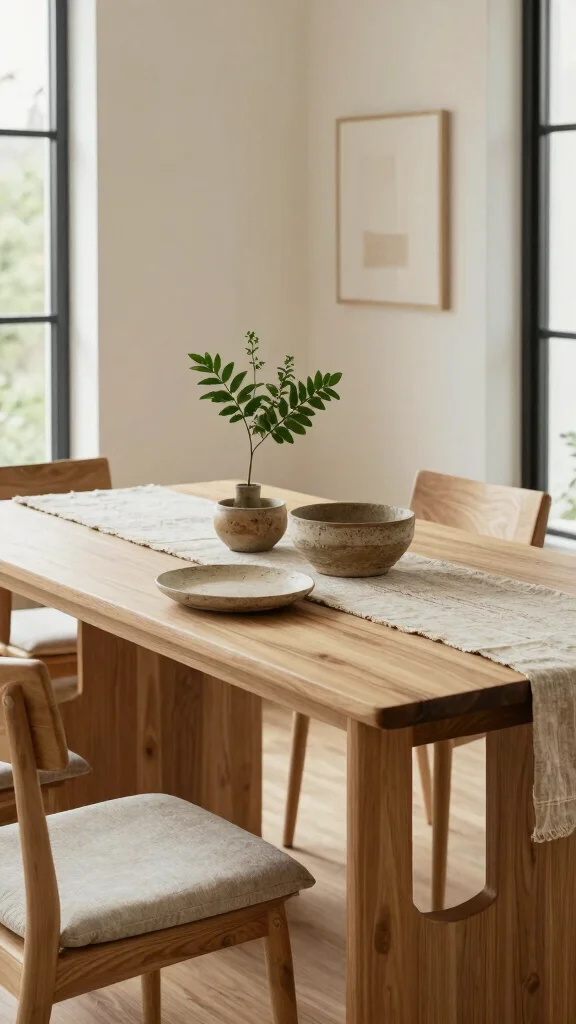
Embracing earthy tones and natural materials can transform your dining room into a sanctuary of warmth and comfort. The harmonious blend of browns, greens, and creams creates a welcoming ambiance that feels both inviting and serene. Imagine a sturdy wooden dining table paired with soft, natural textiles—this balance of elements not only captivates the eye but also touches the soul.
To bring this vision to life, consider using sustainable wood for your dining furniture and incorporating textiles in gentle, muted colors. For an affordable option, seek out locally sourced materials or thrifted pieces that tell a story. This approach not only complements the Japandi style but also connects you to broader eco-conscious trends.
Consider these ideas to enhance your earthy palette:
– Pair a reclaimed wood table with soft linen tablecloths.
– Use organic cotton napkins in subtle hues for a fresh touch.
– Incorporate ceramic serving dishes for a rustic charm.
By integrating these natural elements, your dining space will radiate tranquility, enriched by textures that invite you to linger over meals.
Earthy tones anchor a calm dining room japandi vibe. Start with a sturdy wooden table and soft, natural textiles, then layer creams, browns, and greens for warmth. Choose sustainable wood for your dining furniture to keep it timeless and planet-friendly.
Recommended Products

[Timeless Japandi Design] - Homary elegant oval dining table blends mid-century modern aesthetics with Japandi furniture minimalism, featuring a solid wood dining table construction and sleek lines that complement any interior style, from boho dining table themes to contemporary spaces

BEAUTIFUL UNIQUE PIECES: Each piece of wood is uniquely weathered and aged for a genuine vintage artifact you can use in any way you want. Incorporate the rustic style of barn wood into your home for a stylish piece like no other. *Reclaimed wood is a natural product with unique aged characteristics. The sample images are used to demonstrate the general look of the products. Color variations, markings, and stains may not exactly match the images.

ANTIQUE PINE WOOD TOP - Made with old reclaimed pine wood, each table tells its own story. Expect rich wood grain, natural imperfections, and unique textures that make every piece one-of-a-kind. (Pls understand that it is normal for an old pine table to have any color differences, scars, etc.)
Key Trade-offs & Our Top Pick
1. Natural Wood Dining Sets
– Pros:
– Adds warmth and a sense of nature to your space.
– Durable and long-lasting if properly maintained.
– Cons:
– Can be costly depending on the type of wood.
– Requires regular care to prevent scratches and stains.
– Best for: Those looking to create a cozy, inviting atmosphere in their dining room.
2. Metal and Glass Combinations
– Pros:
– Modern aesthetic that fits well in Japandi style.
– Easy to clean and maintain, especially glass surfaces.
– Cons:
– Metal can become cold or uncomfortable in winter.
– Glass may require frequent cleaning to stay clear and appealing.
– Best for: Minimalist decor lovers who appreciate a sleek, contemporary look.
3. Sustainable Bamboo Furniture
– Pros:
– Eco-friendly option that contributes to sustainability.
– Lightweight yet sturdy, making it easy to rearrange.
– Cons:
– May be less durable than hardwood options.
– Limited styles available compared to traditional woods.
– Best for: Environmentally conscious individuals seeking stylish, functional furniture.
4. Upholstered Dining Chairs
– Pros:
– Offers comfort and can come in various textures and colors.
– Adds softness to a minimalist dining room.
– Cons:
– Can stain easily, requiring careful maintenance.
– May not fit the pure minimalist aesthetic for some.
– Best for: Families or frequent entertainers who prioritize comfort during meals.
5. Modular Dining Sets
– Pros:
– Flexible design allowing for various seating arrangements.
– Ideal for smaller spaces where adaptability is needed.
– Cons:
– May lack a cohesive look if not matched properly.
– Some pieces can be less stable compared to traditional sets.
– Best for: Those with limited space who desire a functional dining area.
Best Overall: Natural Wood Dining Sets
Natural wood dining sets are the top pick for most people. They strike a perfect balance between aesthetics and durability. The warmth of wood complements the Japandi style beautifully, creating a calm dining atmosphere. Plus, with proper care, these sets can last for many years, making them a great investment for your home.
Why We Picked This:
Natural wood dining sets are ideal for those who cherish timeless beauty and a cozy vibe. However, if you’re looking for something more modern or eco-friendly, you may prefer metal and glass combinations or sustainable bamboo furniture. Each option has its place in a Japandi dining room, tailored to your specific style and needs.
Recommended Products

Linen Blend Fabric: Made from high-quality fabric, this durable Linen tablecloth offers a substantial weight and gently textured hand-feel, creating a relaxed yet refined look. The natural drape of this linen table cloth enhances the table’s silhouette, making it ideal for both everyday meals and special gatherings.

Natural Linen Blended: Expertly crafted from a combination of linen and polyester, this linen tablecloth brings a richly textured fabric that drapes beautifully and feels soft to the touch. The cross-woven design adds a subtle, sophisticated pattern and enhances the natural linen texture, offering a more refined look compared to plain polyester alternatives
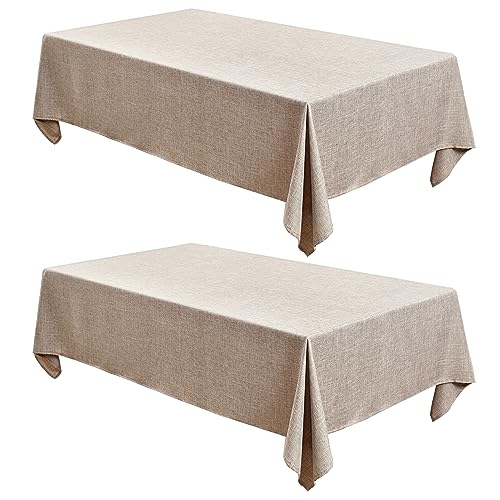
Each package contains 2 pieces of faux linen tablecloths. Lower cost per tablecloth, more economical and practical.
Earthy Tones and Natural Materials
Editor’s Choice

East West Furniture AAVT-BLK-TP Avon Kitchen Dining Table – an Oval Soli…
 Amazon$402.69
AmorArc Ceramic Dinnerware Sets,Handmade Reactive Glaze Stoneware Plates…
Amazon$79.952. Minimalistic Furniture for Space Efficiency
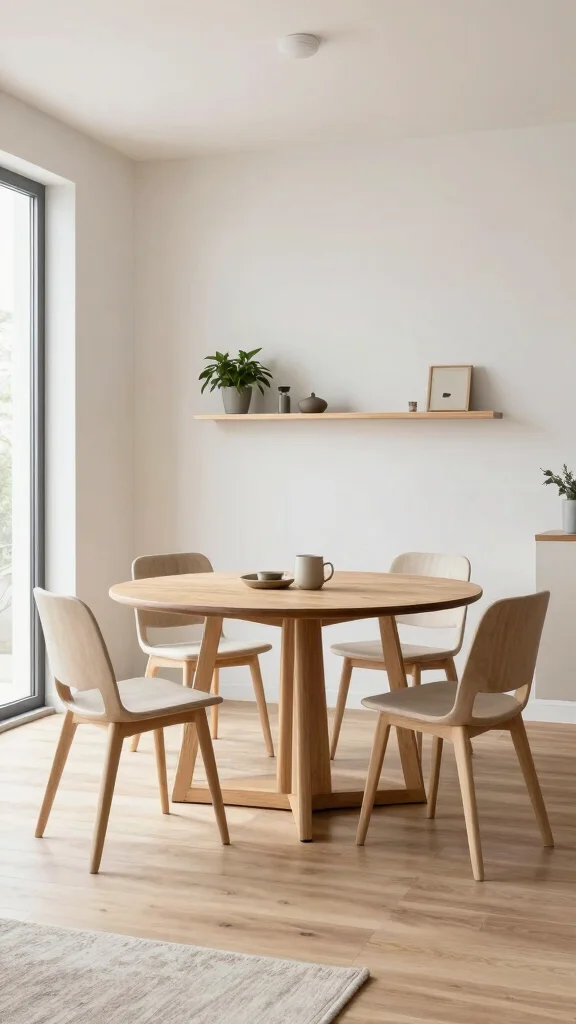
In a Japandi dining room, choosing minimalistic furniture is key to creating an atmosphere of calm and clarity. Each piece should serve a purpose, enhancing functionality while maintaining a streamlined aesthetic. Think about round tables that encourage conversation and movement, ensuring the space feels open and inviting.
To maximize your area, look for furniture that offers dual functionality. For example, benches can provide extra seating and storage, while extendable tables can adapt to your needs. This practical approach not only supports a minimalist design but also resonates with current trends toward flexible living spaces.
Implement these furniture tips for a serene dining experience:
– Choose a round table for improved flow and interaction.
– Incorporate storage benches to minimize clutter.
– Select chairs with simple lines for a clean look.
By emphasizing minimalistic furniture, you create an environment that feels spacious and encourages relaxation, making every meal a shared moment of joy.
3. Zen-inspired Decor
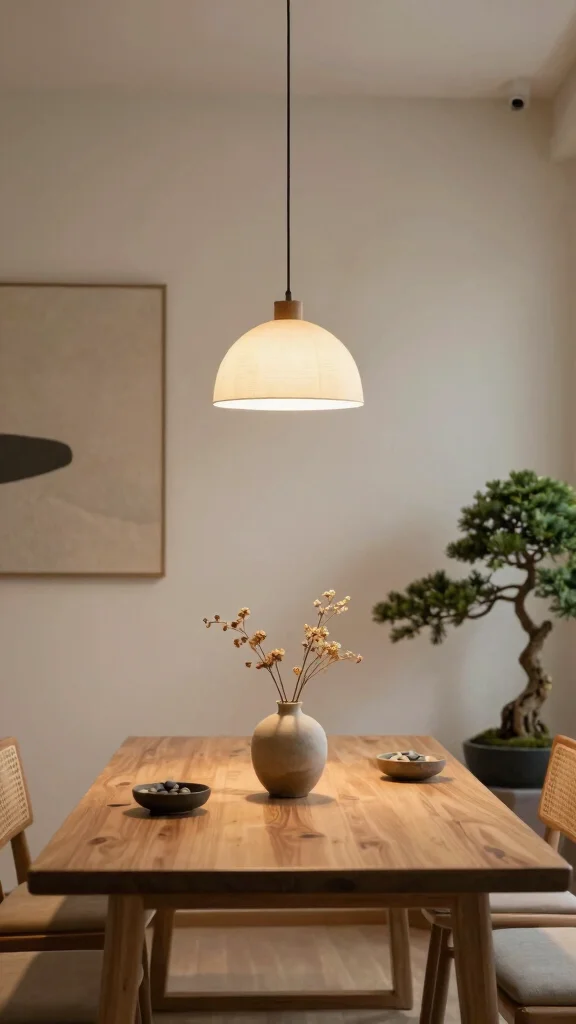
Integrating Zen-inspired decor into your dining room can significantly enhance its tranquility. Elements that promote mindfulness and simplicity create a serene atmosphere where you can truly savor each meal. Opt for understated decorations—a single art piece or a low vase can speak volumes without overwhelming the senses.
To cultivate this peaceful vibe, consider using natural materials and soft lighting. Avoid cluttering surfaces; instead, let each element stand out on its own. This mindful selection not only aligns with Japandi principles but also fosters a calming environment that invites relaxation.
Try these decor ideas to incorporate Zen elements:
– Use a low-profile vase with simple greenery.
– Limit wall art to one meaningful piece.
– Incorporate decorative bowls with natural stones.
These Zen touches not only enhance the design but also create a space that encourages mindfulness, making each dining experience a moment to cherish.
Recommended Products

1. Exceptional Stability with an Extra-Wide Design: Featuring a reinforced support system and durable engineered wood construction, this farmhouse dining table is built to provide reliable strength for everyday living. The spacious 35.43-inch tabletop offers plenty of room for dining, working, or entertaining, while the extra-wide 5.9-inch legs create a foundation for enhanced balance and stability. Designed to reduce movement and improve weight distribution

Authentic Reclaimed Wood Character - Crafted from reclaimed pine wood, each tabletop showcases natural grain, knots, and unique textures, bringing a warm and authentic farmhouse charm to your dining space
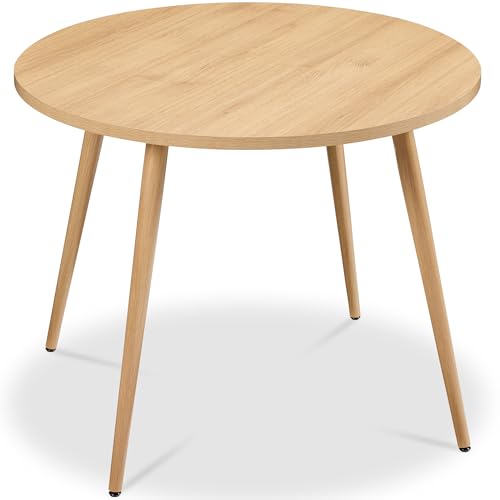
PERFECT FOR GATHERINGS: Comfortably seats up to 4-perfect for easy, fun conversation between family & friends with an ideal, round shape
Zen-inspired Decor
Editor’s Choice

Live Dwarf Juniper Bonsai Tree About 6 Years Old with Cute Ceramic Fishe…
Amazon$51.95
Wabi Sabi Pendant Light & Chandelier for Kitchen Island & Dining Room, J…
Amazon$86.89
White Ceramic Flower Vase,Minimalist Modern Home Decoration,Small Pampas…
Amazon$11.994. Earthy, Textured Fabrics
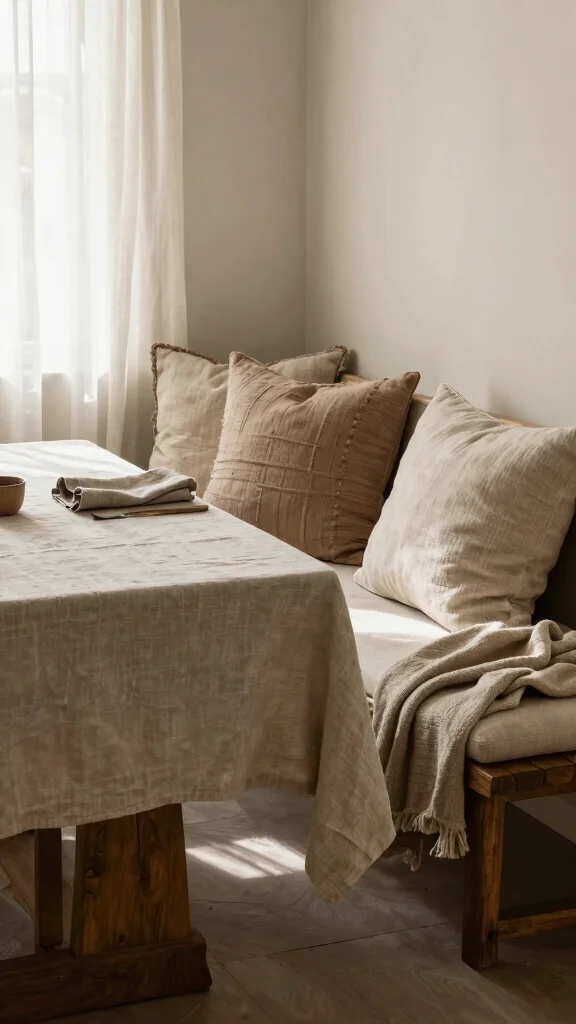
Textiles are essential in crafting a cozy and inviting dining atmosphere. Opt for earthy, textured fabrics that enhance comfort while aligning with the minimalist ethos of Japandi design. Soft linens and natural fibers create a tactile warmth that makes your dining space feel more welcoming and intimate.
When selecting fabrics, prioritize organic materials that are both sustainable and inviting. Consider layering textiles to add depth without overwhelming the simplicity of the space. This approach not only enriches the aesthetic but also connects your dining experience to the natural world.
Incorporate these fabric ideas for a warm atmosphere:
– Choose organic cotton table linens for softness.
– Add throw pillows to nearby seating for comfort.
– Layer different textures while keeping colors neutral.
These thoughtful fabric choices not only add warmth but also create a sensory experience that enhances the simplicity of Japandi design.
Fun fact: layering earthy textiles can boost perceived warmth by up to 30% in a dining room Japandi setup. Choose organic linens and natural fibers to keep the space calm, inviting, and sustainable.
Recommended Products

The perfect Neutral doily. Elegant and sophisticated. This design lends it's self to all decor motifs . Available in all sizes and shapes.

SUPER RICH MATERIAL: Crafted from high quality solid linen fabric, this elegant modern tablecloth is more wrinkle-proof and shrink-proof, hemmed edge adds a finished look and prevents wear and tear. Tablecloth measures 60" Width x 120" Length, fits tables that seat 10-12 people
Earthy, Textured Fabrics
Editor’s Choice

Amazon Basics Reusable Stain and Wrinkle Resistant Cloth Napkins, 17 x 1…
Amazon$13.40
MIULEE Rust-Olive Green Decorative Throw Pillow Covers 18×18 Inch Set of…
Amazon$24.99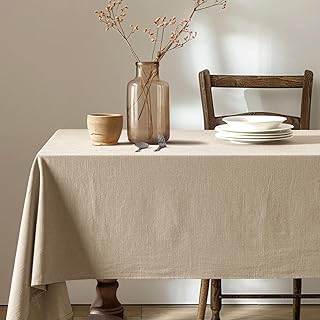
MIULEE Natural Linen Cotton Blend Tablecloth Rectangle, Luxury Waterproo…
Amazon$25.995. Statement Lighting Fixtures
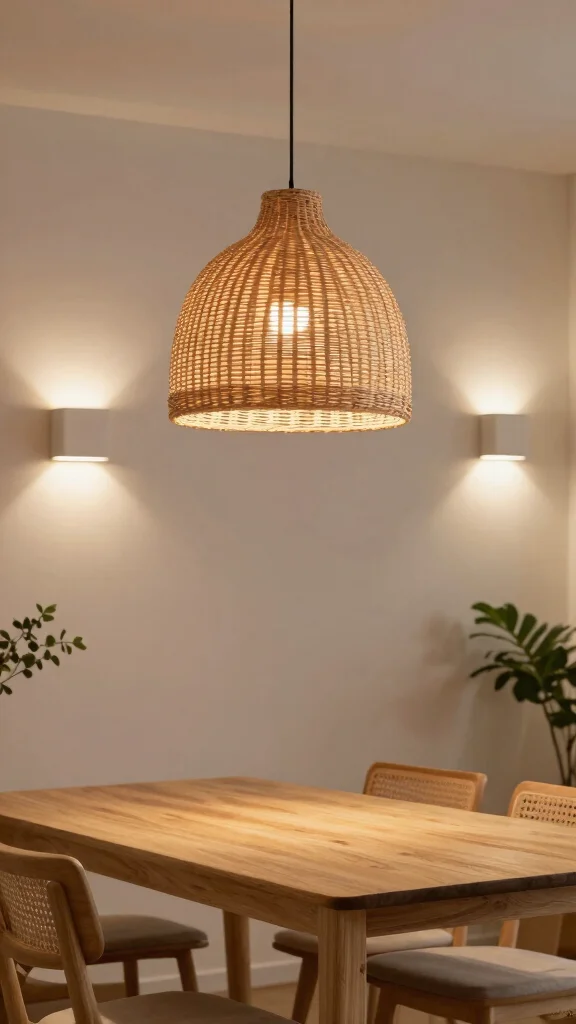
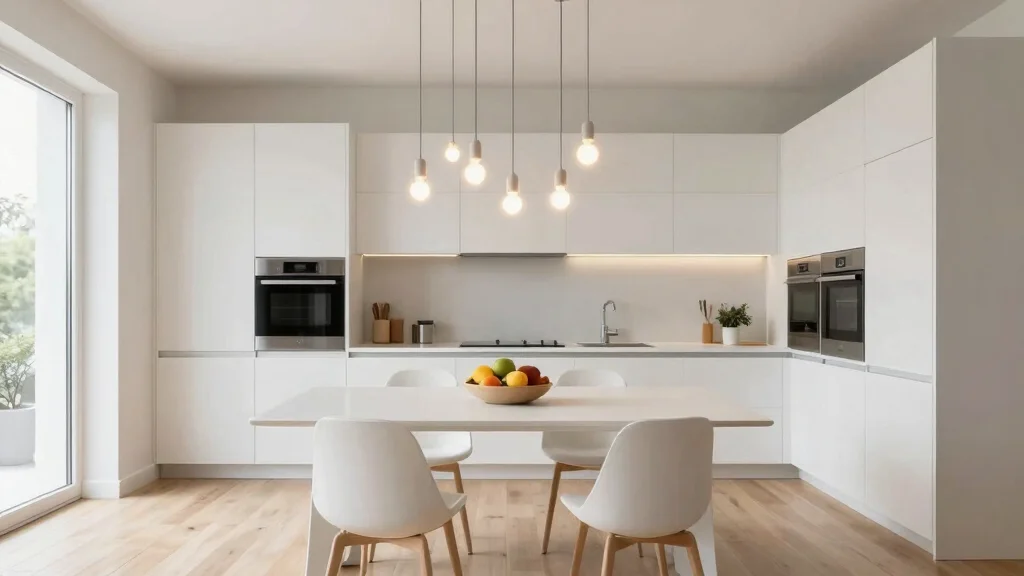
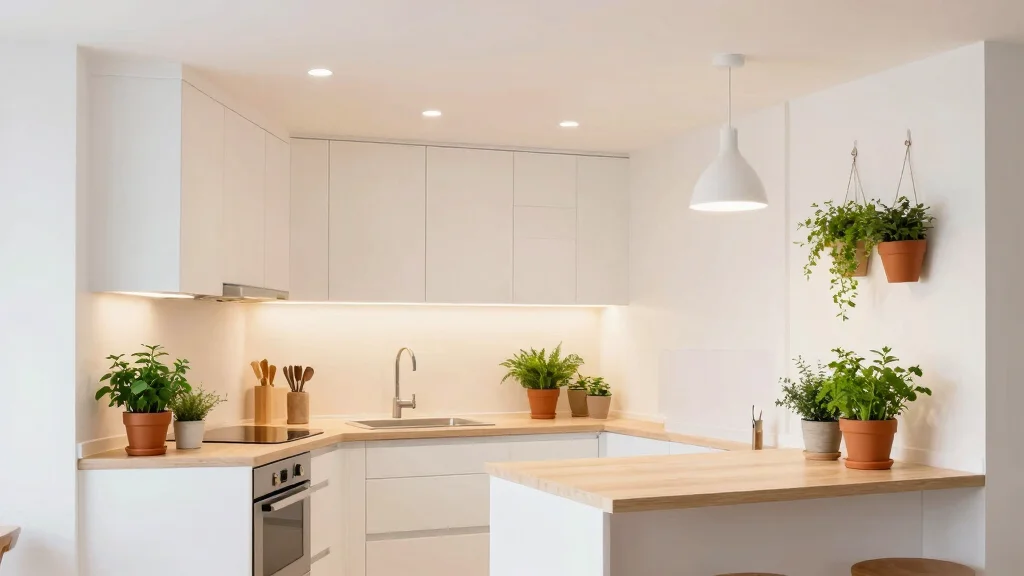
Lighting is a vital element in any dining room, serving both practical and aesthetic functions. Japandi style embraces unique lighting fixtures that reflect elegance and simplicity, enhancing the overall atmosphere of your space. Think of large pendant lights crafted from natural materials like bamboo or rattan, which can draw attention without dominating the room.
For a cozy ambiance, choose warm light bulbs that create inviting shadows and highlights. Layer your lighting with additional sources at varying heights, such as wall sconces or floor lamps, to cultivate a more dynamic and engaging environment. This thoughtful approach to lighting significantly boosts the peaceful feel of your dining space.
Consider these lighting ideas to elevate your dining area:
– Install large natural-material pendant lights for character.
– Use warm bulbs for a cozy glow.
– Add varied light sources for depth and warmth.
A well-planned lighting design not only illuminates your dining area but also fosters a calming atmosphere, inviting you to enjoy each moment shared at the table.
Recommended Products

FARMHOUSE KITCHEN ISLAND PENDANT LIGHT -- This 5-light rustic kitchen island lighting features solid wood accents and black metal cage shades, perfect for farmhouse, industrial and rustic styles. The open cage design maximizes warm bulb glow, this chandeliers for dining room creating an eye-catching focal point for your kitchen island, dining room and breakfast bar.

Wood Island Lights For Dining Room: This 5-Light wood chandeliers featured with high-quality natural wood&black metal, adds endless farmhouse/rustic/retro/vintage/industrial chic over your dining tables or kitchen islands. The solid but minimalist square framework shaped a high-class&rich look kitchen dining light over your dinner tables. Simple open box makes it no difficult to clean at any time. Excellent additions for your dining room

[3-lights design] - The 3-head layout ensures sufficient lighting brightness and creates a sense of hierarchy.
You might also like
Statement Lighting Fixtures
Editor’s Choice


TJOY 6 Pack A19 LED Light Bulbs, 60 Watt Equivalent LED Bulb, Soft Warm …
Amazon$9.99
Wabi Sabi Pendant Light – Japandi Nordic Fixture Lamp, Natural Wood & St…
Amazon$288.006. Strategically Placed Greenery
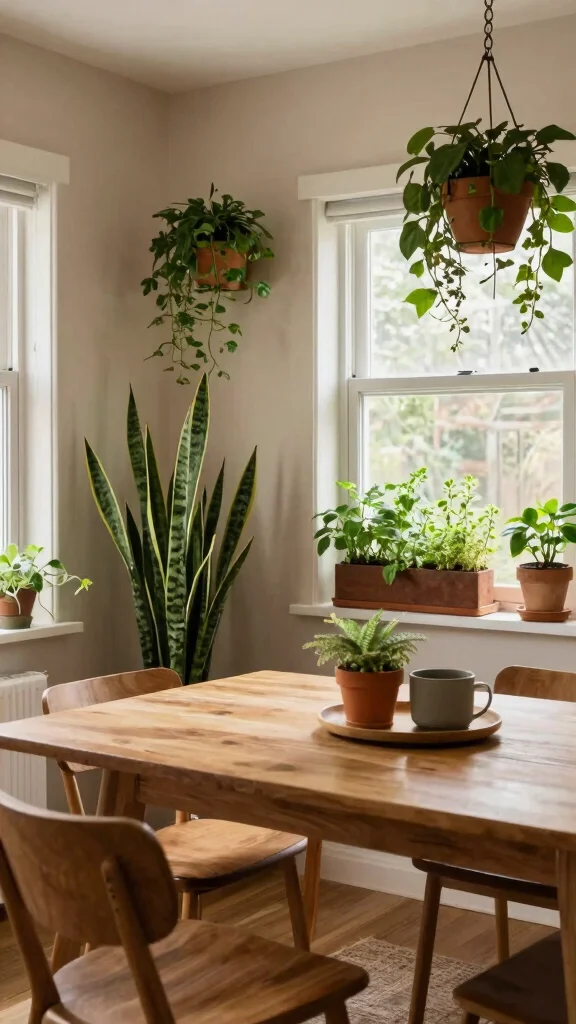
Incorporating greenery into your dining room can significantly enhance the natural appeal of Japandi style. Plants serve not just as decor but as vital elements that promote a calm and inviting atmosphere. By strategically placing greenery, you can create an environment that feels fresh and connected to nature.
Select low-maintenance plants that thrive indoors, such as snake plants or pothos. Hanging planters can draw the eye upward, adding visual interest without cluttering surfaces. Additionally, consider an herb garden on your windowsill to combine beauty with functionality, enhancing both the decor and your culinary experiences.
Explore these ideas to introduce greenery into your dining space:
– Choose low-care plants like snake plants or pothos.
– Hang planters to add dimension and beauty.
– Use herbs for a practical and aromatic touch.
These green elements not only beautify your home but also improve air quality, resulting in a healthier and more enjoyable dining experience.
Strategically Placed Greenery
Editor’s Choice

Altman Plants Live Snake Plant (Superba), Approx. 13″ Tall, Virtually In…
Amazon$19.95
Set of 2-10 Inch Hanging Planters for Indoor Plants with Self-Watering I…
Amazon$23.99
Live Pothos Plants (4PK) Indoor Plants Live Houseplants, Pothos Live Pla…
Amazon$18.497. Functional Tableware and Serveware
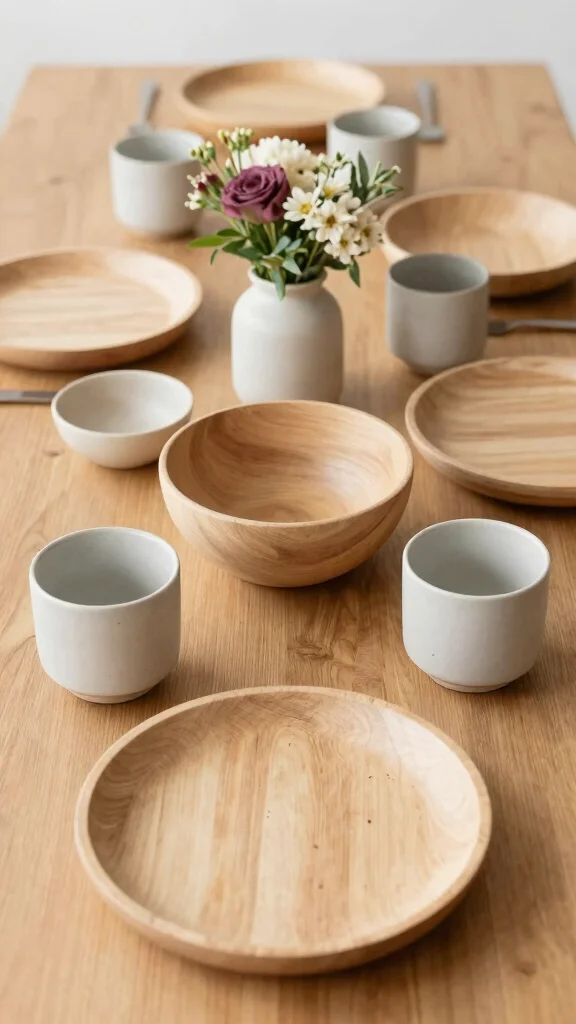
Selecting the right tableware is essential in a Japandi dining room, where aesthetics meet functionality. Focus on pieces that enhance your dining experience while embodying the minimalist essence of this style. Ceramic or wooden serveware, especially those made from sustainable materials, can add warmth and a natural feel to your table setting.
Choose tableware with clean lines and simple forms to keep the focus on the food and the experience shared with loved ones. Sticking to a neutral color palette for your dishes and utensils helps maintain an elegant and cohesive look across your dining setup.
Consider these tips for selecting tableware:
– Opt for ceramic or wooden serveware to add warmth.
– Choose simple designs for a clean, elegant look.
– Keep a neutral palette for cohesive table aesthetics.
This intentional selection of tableware not only enhances beauty but also fosters mindfulness and care during mealtimes.
Recommended Products

Farmhouse Greenery Centerpiece Decor: The package includes 1 Pc faux boxwood arrangement in a wooden planter. The lifelike artificial boxwood plants are nestled in a charming rectangular wooden planter box, ready for display. Place this faux boxwood potted plant in various areas of your home or workspace to bring a touch of color and freshness to your surroundings.

【PACKAGE INCLUDE】 This package includes a 32in large artificial pothos plant and a 5in white plastic pot with pebbles on the surface. After opening the package, you only need to tidy it up a little to use it for home decor, without the need to purchase additional pots.

Hyper-Realistic & Vivid Look: This pack includes 1 pcs of fake hanging plants (pothos ivy vines), each with a 33" long vine—ideal for creating full, lush hanging displays. The leaves feature clear veins, soft texture, and natural green hues, mimicking real pothos so well they blend seamlessly with live plants, adding year-round greenery to any small space.
Functional Tableware and Serveware
Editor’s Choice
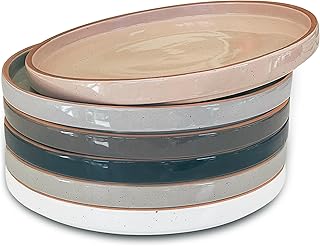
Mora Ceramic Flat Plates Set of 6-8 in – The Dessert, Salad, Appetizer, …
Amazon$39.99
Ceramic Coffee Mugs, 16oz, Large Capacity, Wide Bottom, Transmutation Gl…
Amazon$19.99
Okllen Set of 5 Acacia Wood Serving Platter and Trays, Irregular Oval So…
Amazon$28.998. Minimalist Art and Wall Decor
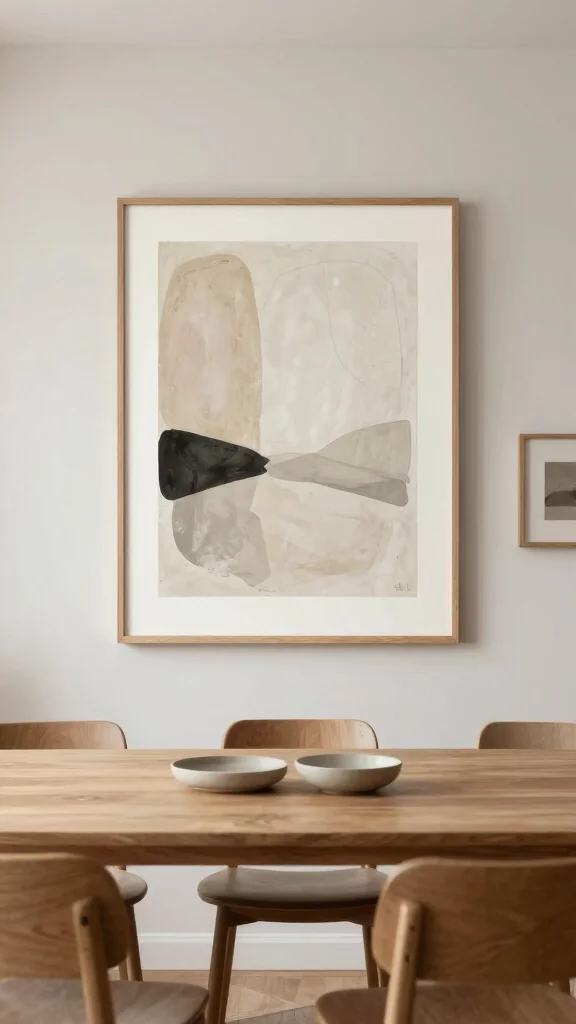
Art in a Japandi dining room should complement the space without overwhelming it. Aim for minimalist pieces that contribute to the overall calm atmosphere. Selecting artwork with soft colors and abstract designs maintains the focus on tranquility while allowing personal expression.
Limit the number of hanging pieces to avoid clutter, creating an intimate setting that feels personal and reflective. Using natural wooden frames can add warmth without distraction, aligning perfectly with the Japandi aesthetic.
Incorporate these art and decor ideas to enhance your space:
– Choose abstract artwork in soft, calming colors.
– Limit wall decor to a few meaningful pieces.
– Use wooden frames to add warmth and texture.
This thoughtful curation of wall decor enhances your dining experience, contributing to a cohesive and inviting environment.
Minimalist Art and Wall Decor
Editor’s Choice
RYKOMO 20 Pack Wooden Picture Frames for Crafts, 4 x 6 Inch DIY Wood Pic…
Amazon$16.99
Joocrise Beige Abstract Wall Art Painting Set of 3 Neutral Canvas Wall A…
Amazon$23.98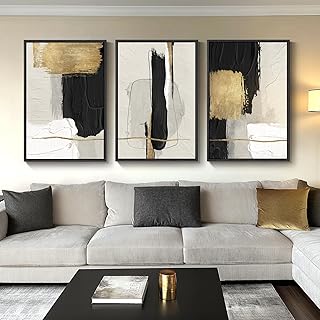
Large Framed Black and White Abstract Wall Art for Living Room, 3 Piece …
Amazon$139.999. Open Space Design
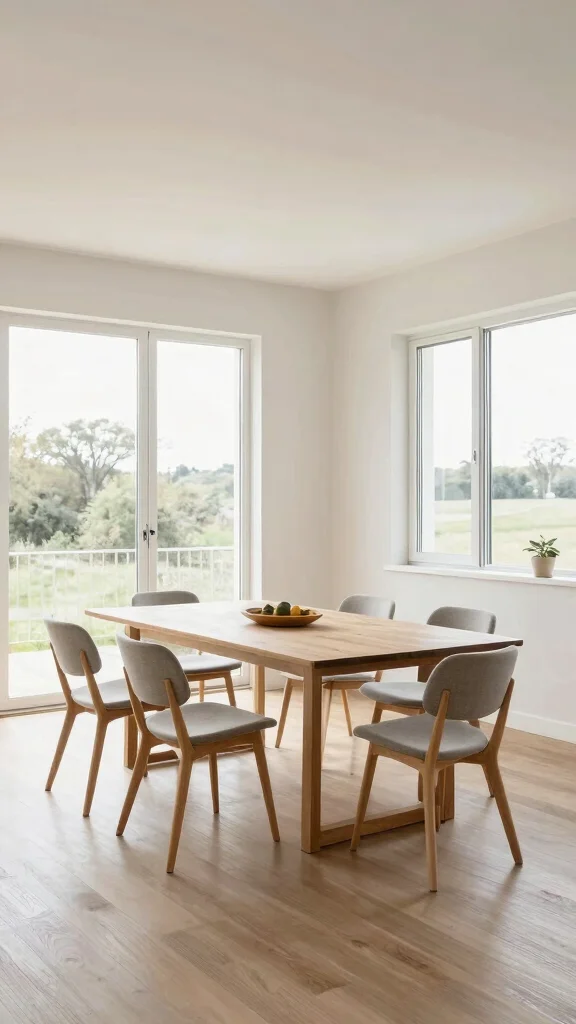
Creating an open space design is essential for achieving the peaceful vibe characteristic of Japandi dining rooms. Emphasizing spaciousness allows for easy movement and fosters a relaxed atmosphere where conversations can flow freely. Keeping furniture arrangements simple enhances the overall sense of calm.
Maximize natural light by using sheer curtains or leaving windows unobstructed, creating an airy feel. Define zones within the dining area using furniture placement, allowing for differentiation without physical barriers. This strategy maintains an open feel while enhancing the communal dining experience.
Implement these design principles for an open dining area:
– Keep furniture arrangements simple for improved flow.
– Maximize natural light with sheer curtains.
– Use furniture to define zones without barriers.
This open design not only promotes freedom but also encourages a more communal and engaging dining experience.
Open space design isn’t about emptiness; it’s about ease. In a dining room japandi setup, natural light and simple furniture let conversations flow and calm settle in. Start with one clear zone and let the rest breathe.
You Might Also Like
Open Space Design
Editor’s Choice

HOMEIDEAS Non-See-Through White Privacy Sheer Curtains 52 X 84 Inches Lo…
Amazon$21.99
VASAGLE Dining Table, Dining Room Table for 4-6 People, Modern Farmhouse…
Amazon$106.8710. Personal Touches with Natural Elements
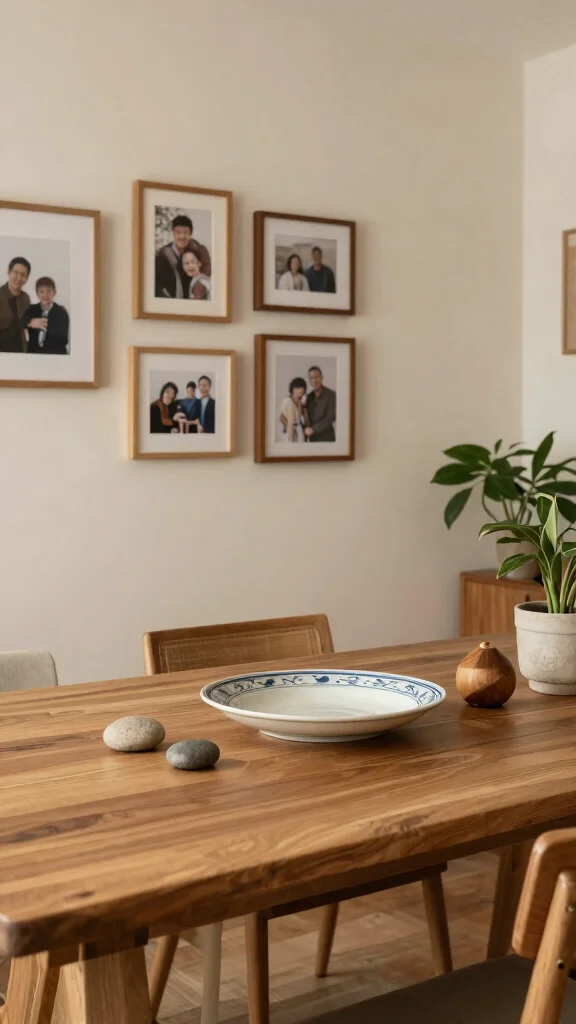
Adding personal touches is crucial to making your dining room feel like home. Infusing natural elements that reflect your personality can elevate the space and create a warm, inviting atmosphere. Incorporate family heirlooms or meaningful decor pieces that tell a story, making each meal feel special.
Use items collected from nature, such as driftwood or stones, to create unique arrangements that resonate with your experiences. Personal photographs in simple frames can also add warmth without overwhelming the aesthetic, enhancing the connection to your space.
Consider these ideas to personalize your dining area:
– Incorporate family heirlooms or unique serving pieces.
– Use natural decor items collected from travels.
– Showcase personal photographs in minimalist frames.
These personal touches foster a sense of belonging and make your dining space more memorable and inviting.
Personal Touches with Natural Elements
Editor’s Choice

ECOSEAO 4×6 Minimalist Picture Frame Acrylic Glass Photo Frame with Magn…
Amazon$7.99
Ancient Graffiti Medium 5-Stone Natural River Stone Cairn, Multicolor, 8in
Amazon$39.99
Creative Co-op Pure Driftwood Pineapple Decoration, Brown
Amazon$28.0011. Seasonal Decor Adjustments
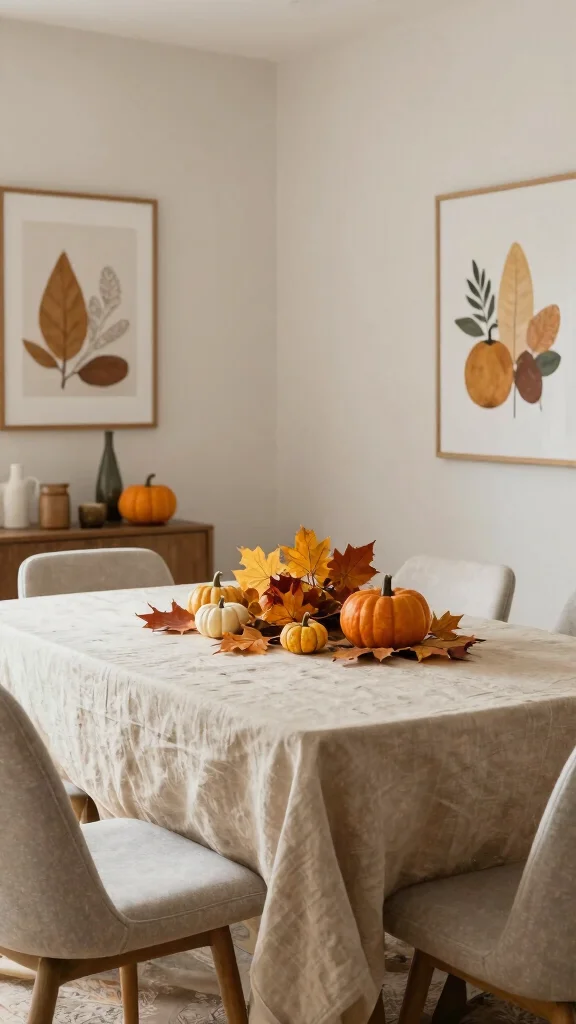
Embracing seasonal changes can invigorate your Japandi dining room, keeping the space fresh and inviting throughout the year. Making small adjustments to your decor allows you to celebrate the rhythms of nature and create a vibrant atmosphere for each season. Think about rotating centerpieces that reflect the essence of the time, like pumpkins in fall and fresh flowers in spring.
Adjusting your table linens and decor accessories to match seasonal colors can also bring new life to your space. Incorporating natural elements, such as pine cones in winter or seashells in summer, creates a dynamic dining experience that feels connected to the world outside.
Explore these seasonal decor ideas to refresh your dining room:
– Rotate centerpieces to reflect seasonal themes.
– Adjust table linens to match seasonal colors.
– Incorporate seasonal natural elements for freshness.
These adjustments not only keep your decor lively but also enhance engagement around mealtime, linking your dining experience to the beauty of nature.
Seasonal Decor Adjustments
Editor’s Choice

97 Decor Japandi Home Decor – Minimalist Japanese Wall Art, Japandi Styl…
Amazon$6.99
Dark Green Table Runner 13 x72 Inches Long, Cotton Linen Farmhouse Style…
Amazon$9.99
LUEUR Faux Flowers with Vase, Artificial Silk Flowers in Vase, Fake Pink…
Amazon$23.99Conclusion

Crafting a Japandi dining room is all about blending simplicity, functionality, and a hint of elegance. These eleven concepts not only promote a calm atmosphere but also inspire mindfulness in everyday dining experiences.
Whether it’s through carefully chosen decor, natural elements, or open space design, each detail contributes to a harmonious dining environment. Embrace these ideas and start creating a serene space that reflects your personal style while fostering connections over meals.
Note: We aim to provide accurate product links, but some may occasionally expire or become unavailable. If this happens, please search directly on Amazon for the product or a suitable alternative.
This post contains Amazon affiliate links, meaning we may earn a small commission if you purchase through our links, at no extra cost to you.
Frequently Asked Questions
What is dining room japandi, and how can I start designing a calm, sustainable space?
Dining room japandi blends Scandinavian Japanese fusion to create a calm dining atmosphere with warmth. It centers on clean lines, natural materials, and a restrained color palette.
To start: define a neutral base color and one wood tone; choose sustainable materials like FSC wood, linen, and ceramic; pick furniture with simple silhouettes and timeless quality; declutter and curate a few meaningful pieces.
Layer texture with textiles and a small collection of greenery, then finish with soft, warm lighting. This mindful approach keeps surfaces calm, practical, and true to dining room japandi aesthetics and Japandi style.
What are the essential elements of minimalist dining decor in Japandi style?
At the core of Japandi style minimalist dining decor is calm, purposeful simplicity. Focus on dining room japandi essentials:
– clean lines and low-profile furniture;
– warm wood tones paired with cool neutrals;
– minimal décor, with one or two meaningful objects;
– generous negative space and uncluttered surfaces;
– tactile textures like linen, wool, and stone;
– simple tableware and understated lighting. This approach embodies minimalist dining decor while staying true to the dining room japandi concept.
How can I create a calm dining atmosphere with Scandinavian Japanese fusion?
To cultivate a calm dining atmosphere in a Scandinavian Japanese fusion space, prioritize balance, light, and texture. Start with natural light and layered, warm lighting; use acoustics-friendly textures like wool, linen, and felt to soften sound; choose seating that invites relaxed meals without crowding; keep surfaces clear and let a few well-chosen pieces shine; bring in greenery and handmade ceramics for warmth. Maintain a cohesive palette across dining room japandi elements to sustain the serene vibe.
Which sustainable materials and practices work best for a Japandi dining room?
For a sustainable Japandi dining room, prioritize materials that age gracefully. Use FSC or locally sourced wood (oak, ash, bamboo) with low-VOC finishes; natural textiles such as linen and wool; stone and ceramic surfaces; and recycled metal accents. Buy durable pieces to avoid waste and consider upcycling or purchasing secondhand furniture. Support green practices by opting for locally made items, LED lighting, and energy-efficient installations. By focusing on longevity and responsible sourcing, you reinforce sustainable Japandi values in your dining room japandi design.
How do I mix Japandi style with modern dining room ideas without losing warmth?
Mixing Japandi with modern dining room ideas without losing warmth is about texture, color, and restraint. Use a warm wood tone against a cool, neutral backdrop to create balance; layer tactile textiles like linen placemats, wool throws, and cotton napkins; choose modern furniture with clean lines but soften with handmade ceramics and gentle textures. Keep clutter to a minimum, but allow a few meaningful objects or art pieces to express personality. Good lighting—ambient, task, and accent—creates a welcoming glow. With thoughtful sourcing and layout, your dining room japandi space stays modern, inviting, and sustainable.
Recommended Products

🌿 INSTANTLY UPGRADE YOUR SPACE Add a soft, cascading touch to your home with this artificial trailing ivy plant. Perfect for shelves, cabinets, or countertops, the flowing vines create a relaxed, styled look instantly.

COCOBOO Artificial Eucalyptus Plants Shelf Hanging Fake Plant

2-Pack Faux Eucalyptus Plants: Package includes 2 artificial eucalyptus potted plants. Each fake eucalyptus looks real, it is secured in a white concrete ceramic pots with natural pebbles. This set is perfect for adding a touch of green to any desktop or area you're looking to decorate! They are beautiful on their own, or can be arranged in a group for a more cohesive look.
Related Topics
dining room japandi
minimalist dining decor
calm dining atmosphere
Japandi style
Scandinavian Japanese fusion
modern dining ideas
sustainable home decor
eco-friendly interiors
small space solutions
beginner friendly
minimalist design
tranquil spaces